

News & Resources
Fatigue Testing Principles

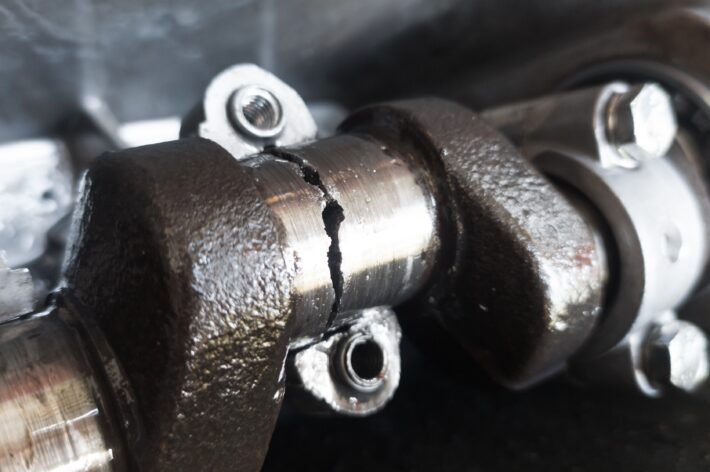
Fatigue testing is a critical step in the product development process. Testing plastic components, evaluating 3D-printed parts for potential flaws, and determining the material safety of materials are just a few case scenarios where fatigue testing is important.
Innovative Test Solutions provides specialized testing services with machinery that is designed to simulate the sample’s operating conditions. Let’s explore fatigue testing in more detail, including its benefits and uses, primary principles, and testing industry specifications.
Fatigue Testing Benefits
The data generated during fatigue testing can identify critical locations of concern and design flaws. It can also demonstrate structural integrity exhibited by samples in the face of the force and strain the samples are exposed to during testing. Ultimately, fatigue testing provides manufacturers with essential details about materials’ ability to withstand stress and strain and their stability and failure points. It helps manufacturers refine designs and plan maintenance, resulting in less unplanned downtime and greater overall safety.
Fatigue Failure and Material Strain Occurs Across Industries
Fatigue testing principles are particularly critical in industries such as aviation, aerospace, and automotive. Gathering fatigue failure data, testing for material strain and endurance, and validating components is crucial to ensure safety.
Many other industries also benefit from testing material strain and evaluating data regarding fatigue failure. For example, manufacturers of polyethylene materials use fatigue testing as part of their plastic component testing. This method accelerates testing time for this crack-resistant material and provides essential insight into the material’s mechanical behavior. In healthcare, auto-injector manufacturers, for example, subject springs with different stiffness levels to various loads to determine the best options for reliable, safe patient use. In retail, running shoe manufacturers use fatigue testing to learn more about the shock and impact resistance and rebound capabilities of different shoe soles.
In every instance, fatigue testing provides critical data that helps refine designs. It also provides research and development teams with the information necessary to understand how materials and components will perform in varying circumstances.

Top Principles of Testing for Fatigue
Unlike vibration testing, which uses digital systems to simulate shaking, fatigue testing places components and materials under stress levels comparable to real-world conditions. It uses four primary principles to assess the sample’s resistance to failure.
Cyclic Loading
While in use, materials and components must hold up under repeated load applications. Testing places samples under repeated cyclic loads, including combinations of tension and compression. It often uses sinusoidal loading waves, which are among the wave forms that provide a close representation of how things naturally change. Cyclic loading may also use block or triangular loading waves.
Stress Levels
The stress levels applied during fatigue testing vary depending on the type of test performed. For example, with low-cycle testing, the stress levels applied are typically above the material’s yield strength. The purpose is to assess failure in high strain environments. In high-cycle fatigue, stress levels usually fall below the material’s yield strength. Materials undergoing this type of fatigue testing are evaluated for durability and resistance to fatigue in low-strain conditions.
Frequency
Frequency is another critical fatigue testing principle. High frequency testing generates more heat during the test. For some materials, this can be helpful, depending on the intended use and design. For others, it can cause premature failure, in which case low frequency testing provides more accurate results. Low-cycle fatigue testing typically uses low frequencies. High-cycle fatigue testing exposes samples to varying frequencies of 20 hertz to 60 hertz, depending on the material and use case scenario.
Time
Fatigue testing typically runs until the sample shows evidence of failure. Low-cycle tests typically take less time and usually require fewer than 10,000 cycles. Conversely, high-cycle fatigue testing usually takes more than 10,000 cycles before the sample shows evidence of failure. Researchers look for various types of fatigue failure, including the following:
- Mechanical: Occurs with variable levels of stress and strain
- Creep: Occurs with cyclic loads applied at high temperatures
- Thermo Mechanical: Occurs with fluctuating conditions, including stress, strain, and temperature
Industry Standard Requirements
ASTM sets industry-recognized standards for fatigue testing and other testing techniques designed to evaluate samples’ behavior and durability. Per these standards, low-cycle fatigue testing runs 100,000 cycles or fewer at frequencies of 0.25 Hz to 5 Hz, depending on requirements. High-cycle fatigue testing can run for 1 million cycles or more, with varying frequencies used until the test reaches a set number of cycles or the sample shows sign of failure.
When You Should Consider Testing
Fatigue testing provides incredible value at all stages of the research and development process. It evaluates durability and resistance to failure in simulated real-world environments. In turn, it provides invaluable data about materials’ lifespan and safety. You should consider testing early in the product development process to aid in refining designs, validating components, and understanding material behaviors.
Specialized Testing Recommendations
At Innovative Test Solutions, our team has extensive engineering and research and development expertise. We can help guide you, making specialized testing recommendations and arranging tests customized to your exacting requirements. Our ISO/IEC 17025 accredited facility has extensive capabilities to test various samples and loads. In addition to our standard testing equipment, we can also build custom rigs and design algorithms to meet the various needs of our clients.
For more information about ITS’ fatigue testing principles and processes, contact us today. We will be happy to provide additional details or a quote for your next project.
For More Information About Our Testing Services, Contact Us Today.
Through constant improvement, innovation, and thorough testing, ITS is able to create an environment that ensures personal and professional success. To secure your future, contact us for more information.