

What is Material Testing?
Material testing evaluates how metals, ceramics, polymers, composites, and coatings respond when exposed to environmental or mechanical stresses. Unlike mechanical testing, which measures structural strength and deformation, material testing focuses on surface behavior and degradation mechanisms such as corrosion, erosion, and thermal fatigue.
At ITS, material testing is performed using specialized rigs, custom-designed fixtures, and controlled environments that replicate real service conditions. By measuring factors such as wear rate, erosion damage, or thermal fatigue resistance, we help clients select the right materials, improve product design, and meet compliance standards. This information is critical for industries like aerospace, automotive, energy, and medical, where reliability and longevity are essential.
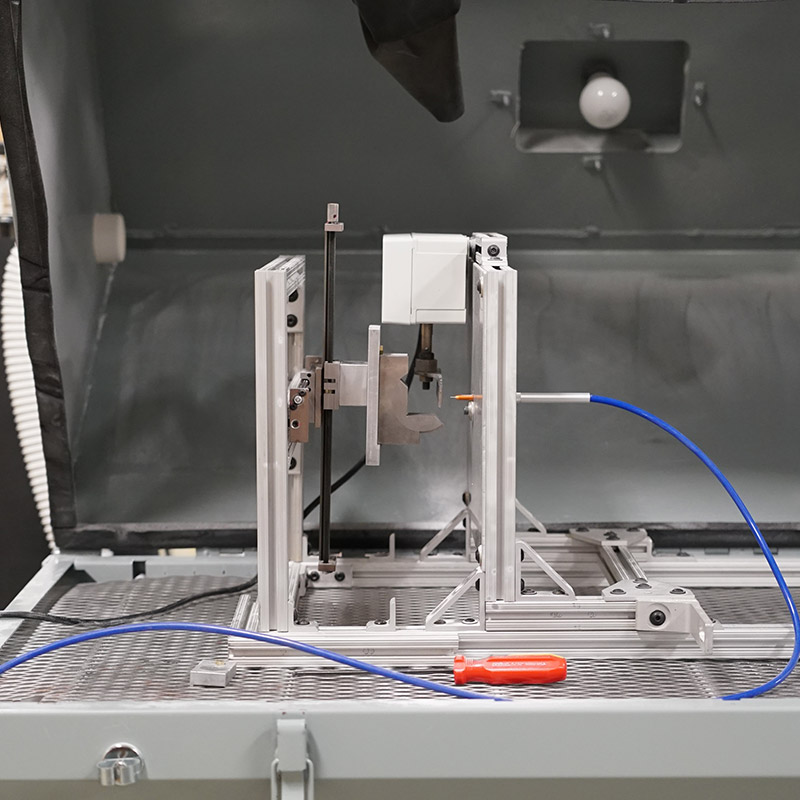
Types of Material Testing
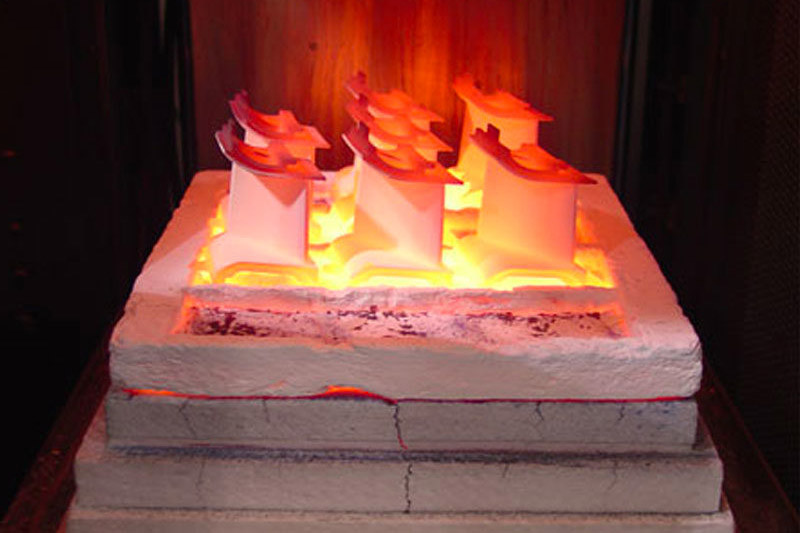
Furnace Cycle Testing
Subjects materials to repeated heating and cooling cycles to evaluate thermal fatigue resistance, oxidation, and long-term stability in aerospace and energy applications.
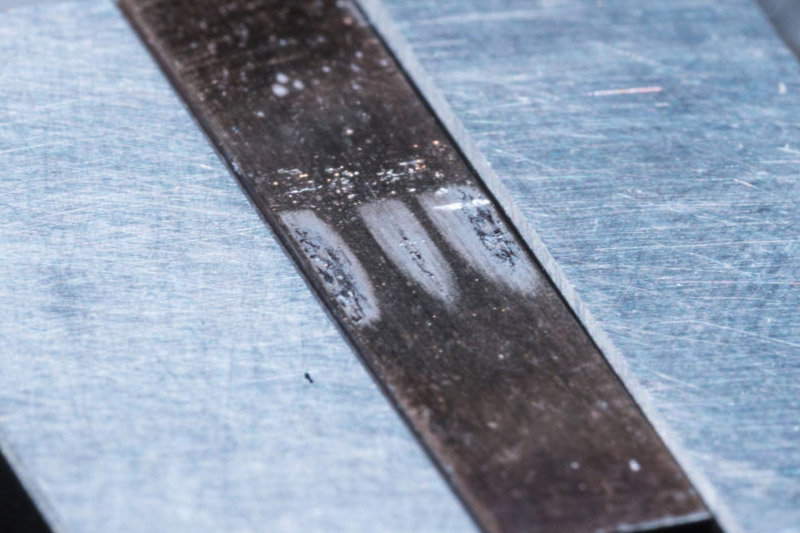
Wear & Fretting Testing
Uses a custom rig to apply cyclic contact stresses, measuring wear and fretting damage in coatings, bearings, and joint interfaces.

Hot Corrosion Testing
Replicates aggressive high-temperature environments to measure corrosion resistance in turbine and furnace materials.
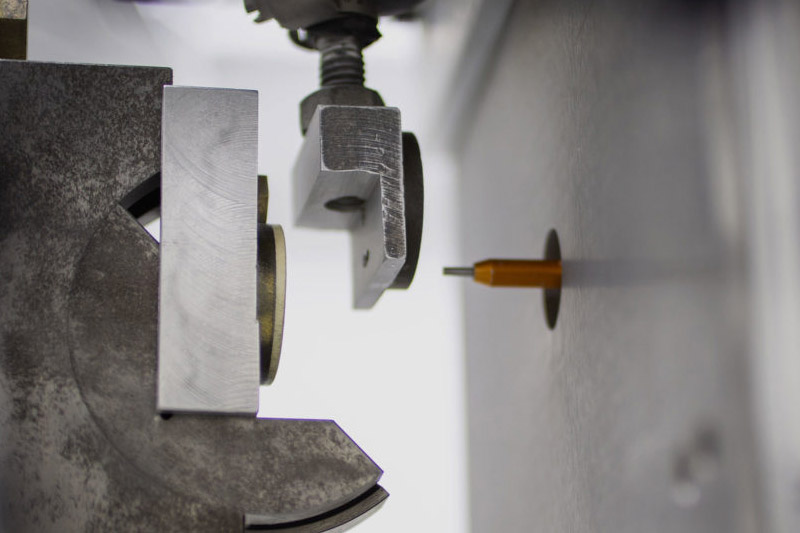
Erosion Testing
Tests coated surfaces against high-velocity particles, simulating erosion in aerospace, industrial, and energy systems.
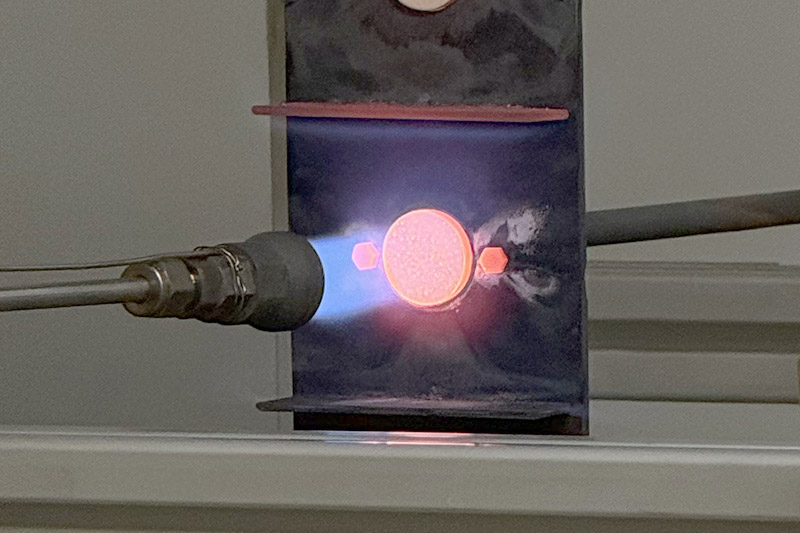
Jets Testing
Simulates high-temperature, high thermal gradient environmental conditions matching JETs combustion process to evaluate coating efficacy.
Key Benefits of Material Testing
Material testing provides measurable environmental and surface performance data that reduces risk, improves long-term durability, and supports informed material selection decisions. By replicating corrosion, erosion, wear, and thermal exposure under controlled laboratory conditions, material testing helps manufacturers prevent premature degradation, confirm compliance, and ensure consistent performance in demanding service environments.
- Validate material and coating performance before production release, reducing the risk of in-service failures.
- Predict degradation mechanisms, including corrosion, erosion, oxidation, and thermal fatigue under simulated operating conditions.
- Confirm compliance with ASTM, NASM, ISO, and customer-specific environmental testing standards.
- Simulate real-world environments such as high-temperature exposure, cyclic heating and cooling, and particle impingement.
- Generate quantitative data, including wear rates, weight loss, coating damage metrics, and surface condition analysis.
- Utilize specialized rigs and controlled test environments to replicate application-specific service conditions.
Frequently Asked Questions
What is the purpose of materials testing?
Materials testing evaluates how metals, ceramics, composites, polymers, and coatings respond to environmental or mechanical stresses. These tests reveal performance characteristics like corrosion resistance, wear tolerance, erosion behavior, and thermal stability. By identifying weaknesses before full production, manufacturers can validate designs, ensure compliance with ASTM, NASM, and ISO standards, and select materials best suited for long-term reliability in critical applications.
How does ITS ensure reliable material testing results?
ITS ensures accuracy through strict calibration of all test equipment, standardized specimen preparation, and tight environmental controls during testing. Experienced engineers oversee each stage, from setup to data collection, while results are peer-reviewed for consistency. All testing is conducted under ITS’s ISO-compliant quality system, ensuring data is both traceable and dependable for engineering validation, material selection, or compliance documentation.
Which industries use material testing services?
Aerospace, automotive, and energy manufacturers rely on material testing to qualify materials exposed to heat, wear, and corrosive environments. Medical device makers test implants for biocompatibility and long-term stability. Electronics, construction, and defense industries also benefit, using ITS testing services to ensure components maintain durability, conductivity, and reliability under demanding service conditions.
Can testing replicate real operating conditions?
Yes. ITS designs testing programs that simulate real-world environments, such as hot corrosion in turbine systems, cyclic heating and cooling for furnace cycle testing, or surface wear from high-velocity particle erosion. By duplicating these stresses in a controlled laboratory, clients gain predictive insight into material performance, helping them confirm durability, reduce risk, and design for safety and efficiency.
What is included in a material testing report?
ITS reports outline methods used, alongside data such as wear rates, weight loss, or coating damage. Results are presented in tables, charts, and photographs for clarity.
How long does material testing take?
Timelines vary by method and sample requirements. Short tests, such as friction or wear evaluations, can be completed in days, while corrosion or furnace cycle testing may require weeks or months. ITS collaborates with clients to set realistic schedules, with expedited testing available for urgent needs, balancing speed with uncompromised accuracy.
Client Testimonials
Nick Kattamis – Creare
I wanted to extend a very big THANK YOU for prioritizing this work and helping it get done so quickly. Often times these last minute requests are out of our hands, so again, thank you for your responsiveness.
Ryan Canfield
I’d like to thank Innovative Test Solutions for their excellent work, and for accommodating our second round of testing. This was an important milestone for us, and we will definitely remember you for future needs.
Kris – GE Power
Excellent work on this testing and report write up! As usual, the ITS team exceeded expectations.
Earl Size
Thank you very much! And thank you for going the extra mile in helping us where you thought to. I truly appreciate it.
Richard F. – Chromalloy
The efforts on the erosion test program were excellent. Kyle and Jason did an outstanding job. We were working with many unknowns. Both men made major contributions that resulted in a successful outcome. I now feel confident that we have the recipe to conduct side-by-side erosion tests of coatings on actual parts. I anticipate that we will use the erosion test methodology again in the latter part of 2019. Thanks for your assistance.
Adam – Curtiss Wright
Thank you all for all of your efforts with this program. I have worked with many test labs over the years and must say that you were one of the best I have come across. The responsiveness and willingness to work with us to find a good solution was unprecedented with previous experiences with other facilities. Thank you all for being great to work with.
Recent Posts

How Fatigue Testing Can Prevent Costly Failures in Critical Industries
Fatigue testing does so much more than simply predict product failure. It also helps refine designs and provide valuable insight into material properties and behaviors to support safety and reliability. Many industries rely on rigorous…

Exploring JETS Testing: Key to Aerospace Safety and Efficiency
Exploring JETS Testing: Key to Aerospace Safety and Efficiency The aerospace industry solves some of the most complex issues faced by modern society. This sector has always pushed beyond the limits of what is possible…
High-Cycle Fatigue vs. Low-Cycle Fatigue Testing
Introduction to Fatigue Testing Fatigue refers to the gradual formation of microcracks and cracks in a material under the cyclic loading of stress. Those irregularities reduce the material’s capacity to withstand cyclic loads and ultimately lead…
Speak With A Professional Today
Make an Inquiry or Request a Quote and our team will be in touch.