

News & Resources
How Fatigue Testing Can Prevent Costly Failures in Critical Industries

Fatigue testing does so much more than simply predict product failure. It also helps refine designs and provide valuable insight into material properties and behaviors to support safety and reliability. Many industries rely on rigorous fatigue testing services to predict component lifespans and understand different materials’ failure points. Fatigue testing is particularly essential in critical industries, such as aerospace, automotive, construction, and energy. Each essential field relies on safety and consumer confidence to thrive and continue serving its consumers.
What Is Fatigue Testing?
Materials of various kinds, including metals, ceramics, and polymers, are subject to a phenomenon known as fatigue. Factors like temperature, friction, and vibration cause stress, eventually leading to the initiation of cracks in the materials. Over time, those cracks can lead to catastrophic failure.
Fatigue testing puts samples through conditions that simulate their operating environments. This allows engineers to predict the lifespan of the materials and components. The process works by using specialized equipment that applies cyclic loads to the sample.
Types of Fatigue Tests
The two primary types of fatigue testing are high-cycle and low-cycle. During low-cycle fatigue testing, samples are exposed to stress levels above the material’s yield strength and low frequencies. During high-cycle fatigue testing, samples are exposed to various frequencies and stress levels below the yield strength for many cycles.
Why Fatigue Testing Is Crucial for Critical Industries
Fatigue failure can occur in mechanical structures of all types, from airplanes and automobiles to critical infrastructure. Engineers and designers must be able to accurately estimate fatigue life to gain an understanding of maintenance needs. More importantly, these insights mitigate the risk of fatigue-related failure, which can be costly at best and catastrophic at worst.
Safety is the number one concern. However, the industries served also have an enormous economic impact, and their success largely relies on their ability to engineer safe, reliable designs and products.
Aerospace Industry
The aerospace and defense industry contributes billions of dollars to the economy each year and will likely continue growing by more than 6% each year. Data suggests the industry will exceed $819 billion in 2030, up from $493 billion in 2023. Although many factors drive that growth, safety and reliability of aircraft components are among the chief elements that could derail it.
Fatigue has high-flying safety consequences in the aerospace industry and always has. The Wright Brothers’ very first flight was delayed due to fatigue, which caused a crack in a propeller shaft. One infamous example of fatigue-related failure is the De Havilland Comet, the world’s first jetliner. An extensive investigation was initiated after two crashes in 1954, revealing that fatigue led to component failure, ultimately resulting in fatal decompression during the flights.
Because of the stakes, fatigue testing is critical in this sector. Simulating real-world environments helps designers and engineers ensure operational safety.

Automotive Industry
Tesla’s Cybertruck made headlines in March 2025, with a recall launched due to stainless steel trim that could loosen and fall off. This isn’t the first time the electronic vehicle has come under fire. In 2024, Whistlin Diesel conducted an extreme test of the hitch for a YouTube video. The results were clear. The Cybertruck’s hitch didn’t hold up as well as the hitch on a Ford F-150.
The scenario underscores the importance of fatigue testing. Robust testing could have allowed the EV automaker to better predict the tow hitch’s capabilities and refine its design to improve it. That’s the goal of fatigue testing in the automotive industry — to ensure every component can function as intended and gauge its durability and reliability.
Worldwide, the automotive industry is anticipated to be worth approximately $6.1 trillion in 2030, an increase of more than $2 trillion from 2024. In this safety-critical sector, fatigue testing helps manufacturers design maintenance schedules and mitigate failure-related safety issues. Consumer confidence is key to supporting the industry as a whole, and that is based on reliable performance.
Construction and Infrastructure
Understanding material failure, the process of crack initiation and growth, and how materials and components will behave under stress is crucial in construction and infrastructure. Homes and other buildings must be engineered to withstand the stressors of the environment. Additionally, it’s mission-critical to engineer bridges and tunnels using materials and components that will last.
Consider the 2013 collapse of the Skagit River Bridge in Washington State, which resulted in no fatalities but caused weeks of traffic issues on a very busy interstate. The incident was not caused by fatigue-related failure. A trucker carrying an oversized load made impact with a truss, which sparked the collapse. However, the scenario highlights the potential effects that fatigue failure could have and underscores the essential nature of fatigue testing for safety and structural longevity.
This is also another thriving sector that relies on reliable engineering to drive its continued growth. The infrastructure and construction market will be worth an estimated $28.2 trillion in 2033, up from $19.2 trillion in 2024.
Energy Sectors
In March of 1980, the Alexander L. Kielland oil rig experienced a fatigue-related disaster. After the crew reported hearing a sharp crack, the rig suddenly tilted. Only one of the six anchor cables was left supporting the rig for a short time before it capsized, killing more than 120 people on board. Ensuing investigations revealed that fatigue cracking in the rig’s structural braces led to the incident.
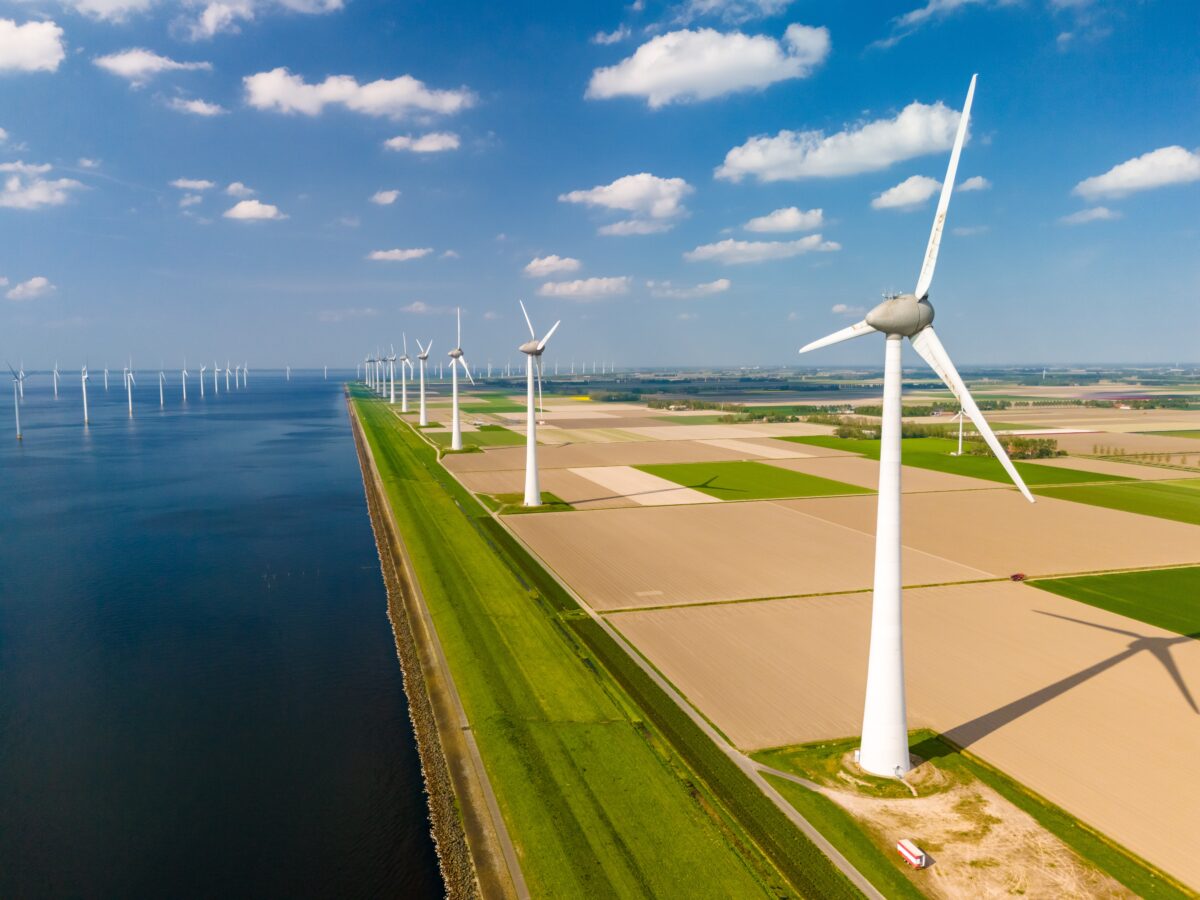
Fatigue testing and reliable data to predict component failure helps ensure the integrity of not only offshore rigs but also pipelines and equipment of all kinds. Wind turbine blades, for instance, are used to generate electricity. However, the equipment can be subject to a number of stressors, including wind shear, lightning strikes, and erosion, all of which can lead to fatigue. Fatigue testing can simulate the operating environment to mitigate unplanned equipment failure, which can create a ripple effect.
Experts anticipate the global energy sector will grow by 35% to 120% in the decades leading up to 2040. Projections put its market value as high as $3.2 trillion by 2040, with increasing global demand.
The Cost of Not Performing Fatigue Testing
Many of the industries in which fatigue testing is vital for safety and equipment integrity are significant revenue generators. Unplanned downtime and mechanical failures can have relatively minor to absolutely devastating implications with effects that can ripple across regions, nations, and even the globe.
For instance, consider the implications of severe fatigue-related disruption if it occurred at the Port of Los Angeles. Known as the “busiest container port in the Western Hemisphere” since 2000, this southern California hub handled 10.3 million twenty-foot equivalent units (TEUs) in 2024 using 84 ship-to-shore cranes and more than 2,000 pieces of cargo-handling equipment.
Imagine if that machinery failed unexpectedly, leaving the port unable to continue normal operations. It would have broad implications that would ripple across the supply chain and increase maintenance and repair costs across the board. It would also pose a significant threat to the safety of visitors and employees and potentially introduce legal ramifications.
This example helps highlight the potential costs associated with not performing fatigue testing. Explore the implications in more detail below.
Unexpected Failures and Safety Hazards
There’s no way to estimate the actual cost of unexpected failures across the board, but in the manufacturing sector alone, equipment failure costs businesses nearly $1 trillion yearly. Unplanned downtime can cost hundreds of hours in lost productivity, with some experts estimating it costs $260,000 per hour. Those figures don’t even consider the potential dangers posed by fatigue-related failures. Equipment malfunctions and failures could create significant safety hazards, including potentially fatal scenarios.
Maintenance and Repair Costs
Fatigue testing allows engineers to calculate fatigue life and work it into product designs to reduce risks. Without the data, failure can happen without warning. With fatigue testing, engineers can optimize fatigue life from the beginning of the product lifecycle and then determine maintenance schedules based on a proactive approach that saves both time and money.
Legal and Reputational Consequences
Critical industries like the automotive, aerospace, energy, and construction sectors have tremendous responsibilities and must consider employees’ and the public’s health and safety. Beyond the inherent obligations to keep people safe, these industries must also meet stringent regulations and requirements. Failure to do so can result in fines and potential loss of business. Additionally, once it’s shaken, consumer confidence can be difficult to regain.
Contact Innovative Test Solutions for a Quote
Fatigue testing is vital for preventing failures in critical industries and beyond. Learn more about how ITS fatigue testing labs and services can support your next project. With standard tests and custom rigs, ITS can help provide the expertise and data necessary to maintain safety and compliance with regulations and industry standards. Contact ITS for fatigue testing inquiries or obtain a quote.

For More Information About Our Testing Services, Contact Us Today.
Through constant improvement, innovation, and thorough testing, ITS is able to create an environment that ensures personal and professional success. To secure your future, contact us for more information.