

News & Resources
Fatigue Testing: A Critical Step Toward Understanding Aerospace Component Failure
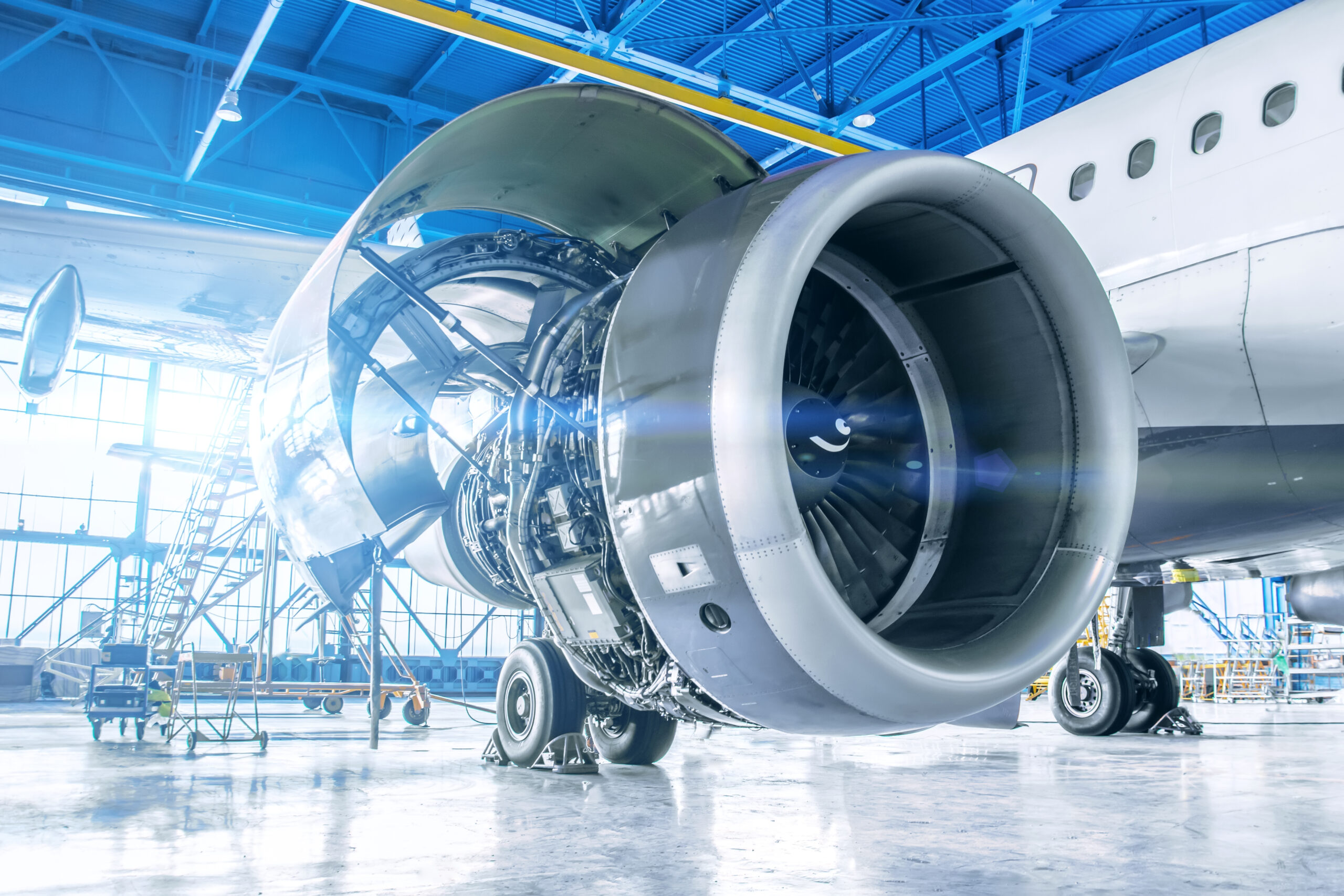
Fatigue testing is critical for ensuring safety and supporting a thriving aerospace manufacturing landscape. The global market for the sector includes private and public companies, and the global aerospace industry was worth an estimated $278.43 billion in 2023.
According to data from Research and Markets’ 2023 Aerospace Global Market Report, the industry is anticipated to grow at a compounded annual growth rate (CAGR) of 6.5%. By 2027, it will have an approximate market value of more than $358 billion.
These statistics underscore the industry’s continued growth, yet aerospace component failure could cause significant safety concerns that could disrupt that path forward. Fatigue accounts for approximately 60% of aerospace industry failures. With or without fracture, despite the cause of the failure, each instance calls safety into question.
In an industry that regards safety as mission-critical, the importance of aerospace component failure testing cannot be overstated.
Fatigue Testing Importance
The importance of fatigue testing can’t be stressed enough. Fatigue has plagued the aerospace industry since its inception. A fatigue-related crack delayed the Wright Brothers’ inaugural powered flight, and it remains an issue today. Additionally, research shows that aerospace component failures don’t just happen. They are caused largely by defects that occur at some point during the components’ service life.
Fatigue testing provides invaluable insights into components’ performance under the high stress operating conditions for which aerospace is renowned. This specialized procedure allows for accuracy in testing breaking points. The data helps predict how a component will perform under its typical operating conditions by simulating the environment and providing cyclic loads that duplicate real-world challenges. It then measures the time and stress required for the initiation of cracks and ultimate component failure.
By identifying components’ properties and behaviors, fatigue testing makes it possible to support research and development, aerospace product safety, and the prevention of failures.
Types of Fatigue Cracks
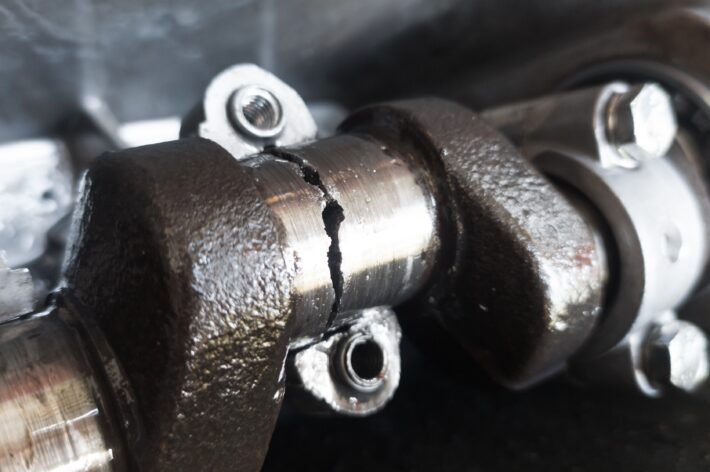
Various conditions can cause fatigue cracks. For example, damage nucleation is caused by changes in chemical and physical properties that can lead to cracks. This type of damage can occur during extreme conditions like super cooling or heating.
Some of the most common types of fatigue cracks include:
- Mechanical: Manufacturing defects and underlying issues with the materials’ strength can cause mechanical failure.
- Corrosion: Chemical reactions, such as oxidation, can change a material’s physical properties and place it at higher risk of developing fatigue cracks.
- Creep: As thermal or cyclic stress builds up, they slowly deform the material and eventually leads to fatigue cracks and, ultimately, failure.
- Thermo-mechanical: When corrosion, creep, and mechanical fatigue forces combine, it leads to thermo-mechanical fatigue. These cracks are caused by gradual fatigue that accumulates and leaves the components vulnerable to defects and cracking.
- Fretting: This type of fatigue crack happens when different materials repeatedly make contact during operations, leading to wear on both surfaces and increased stress.
Types of Aerospace Voids
Aerospace voids are a type of imperfection. Empty, dead spaces known as voids develop within the materials but are a different type of defect compared to fatigue cracks. These imperfections can trigger fatigue cracks, which is why engineering teams typically strive to reduce or eliminate them as much as possible. The way they form defines the type of aerospace void.
- Resin Viscosity Voids: These voids are produced in highly viscous resin materials that are used in composite manufacturing. As the material’s fibers become densely packed, the resin has difficulty filling the spaces between, resulting in trapped gas that essentially gets cured into the material during the finishing process.
- Manufacturing Error Voids: During the manufacturing process, mistakes like applying temperatures too high or too low can lead to air pockets and structural irregularities.
How Fatigue Cracks Begin
During fatigue testing, it’s also possible to witness how fatigue cracks grow and what they can tolerate with repairs before failing completely. The growth rate varies, depending on the material involved. For example, titanium and other softer materials can withstand stress flows around fatigue cracks more readily than steel, which fails relatively rapidly with the onset of cracks.
Material surfaces often begin to show signs of fatigue with striations that are visible during component stress level testing. Fatigue cracks typically begin in one of three areas:
- Internal, load-bearing structural elements can develop fatigue cracks in small points placed under high levels of stress.
- External elements like aircraft skins develop fatigue cracks under pressure from structural loads.
- Areas of concentrated stress, such as fastener holes, are prone to metal fatigue.
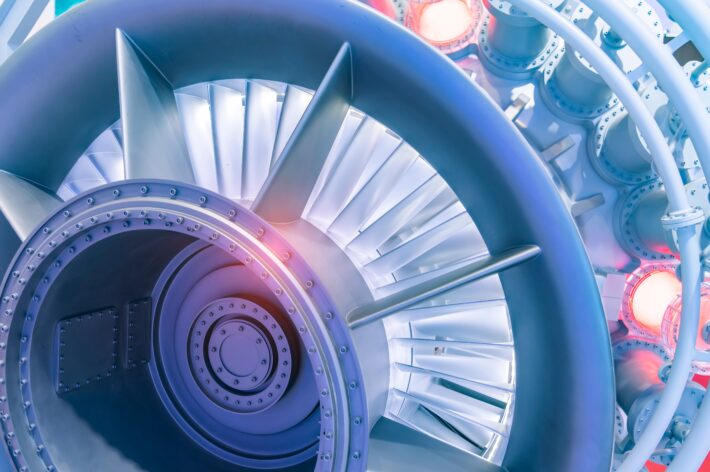
- Large components under high stress that move at high speeds, such as aircraft engines and turbines, are susceptible to component failure.
How ITS Supports Aerospace Manufacturing
Innovative Test Solutions, Inc., provides the specialized testing and expert analysis necessary to determine how materials and critical aeronautic components will perform. Having this insight is critical, particularly for parts that will operate in extreme conditions and under high amounts of stress. Fatigue testing is only one of the services ITS offers that supports aerospace manufacturing precision and component safety.
From validating components to testing large engines and aerospace materials, our team of expert engineers ensures the components and materials in question meet the required standards. The information we gather can help manufacturers refine designs, understand the servicing needed to prevent failure, and help ensure reliability.
Contact ITS For More Information
ITS provides various invaluable aerospace testing methods. In addition to our standing as an ISO/IEC 17025 accredited testing laboratory, our team is made of industry leaders across various disciplines. We not only design qualification testing, but also create custom testing rigs and testing solutions to meet your exacting standards and stipulations.
Contact us today to learn more about our services or to get a quote.
For More Information About Our Testing Services, Contact Us Today.
Through constant improvement, innovation, and thorough testing, ITS is able to create an environment that ensures personal and professional success. To secure your future, contact us for more information.