

News & Resources
The Importance of Fatigue Testing
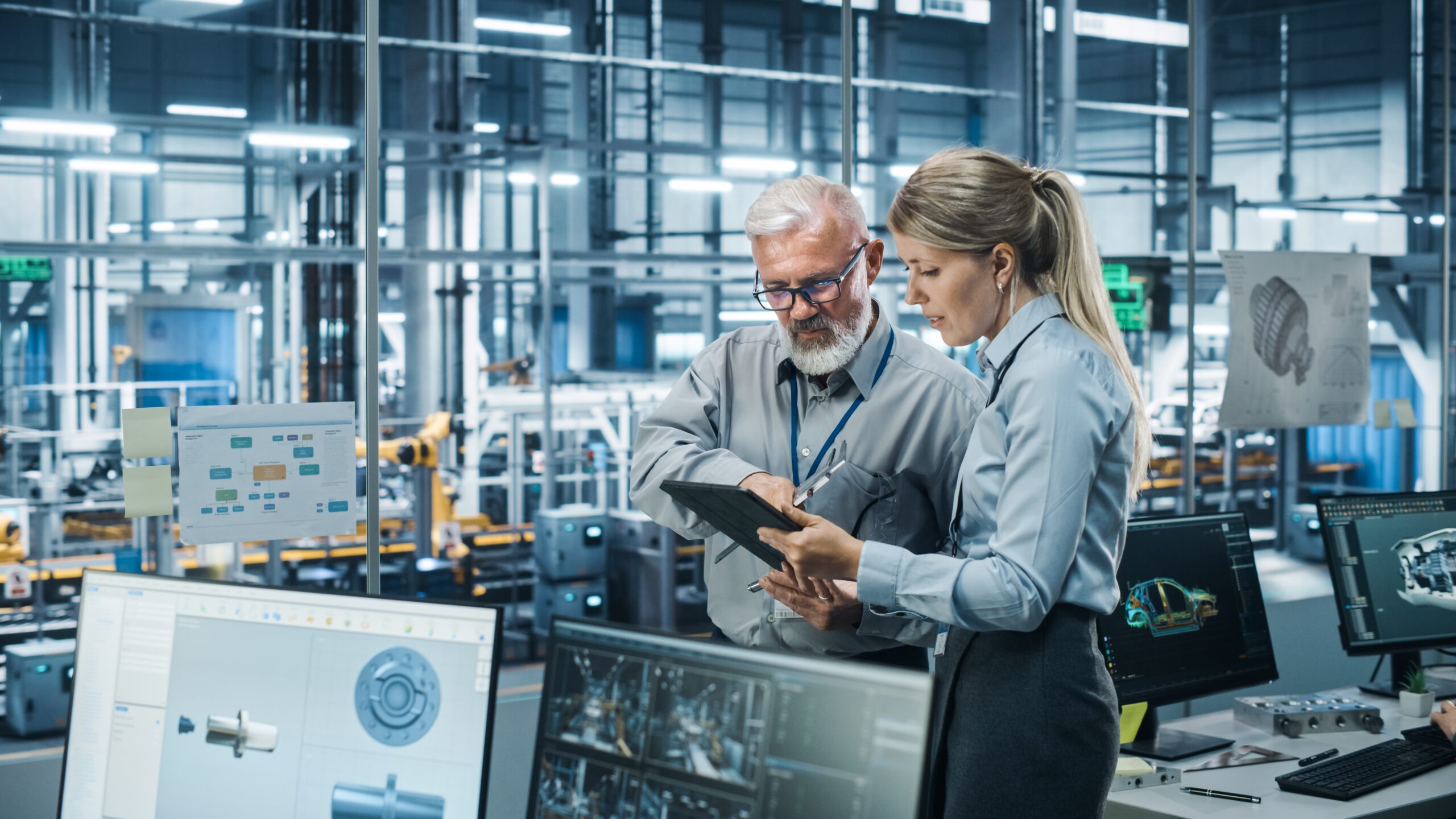
Component reliability is mission-critical in many industries, including the aviation and automotive sectors. Given some of the recent headlines, validating components and performing testing for fatigue is more important than ever.
In late 2023, it was revealed that “fake” parts made their way into the engines of major airliners. In early 2024, the news about doors flying off planes in mid-air horrified audiences. More recently, owners of brand-new vehicles found themselves broken down on the side of the road with collapsed suspension systems or other part failures.
All three instances underline the vital nature that fatigue testing services play in ensuring both safety and reliability of individual components and even entire systems. Endurance testing is vital in all industries and even more so in those where human safety hinges on the use of valid, dependable components and materials.
Innovative Test Solutions has provided expert ASTM fatigue testing since opening its doors in 2004. With its expert team and full-service testing laboratory capable of building custom test rigs, ITS has become the go-to solution for endurance testing.
Let’s explore in greater detail the crucial role that testing for fatigue plays and the value it offers.
Fatigue Testing Data
Materials, even those renowned for their strength, can only handle so much pressure for so long before they weaken and eventually fail. Metals, alloys, and composites are among the chief materials tested in fatigue testing services, although polymers, wood, and other materials may sometimes require testing also.
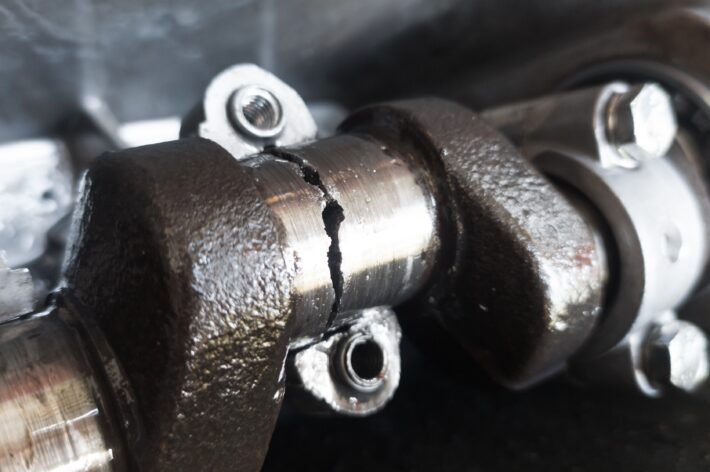
Fatigue describes the structural damage that occurs under cyclic loads. It begins with the formation of cracks and eventually progresses to material failure caused by stresses that fall below the material’s known yield strength. That is why it can occur with little to no warning.
Fatigue testing services remedy this by rigorously evaluating the material’s durability under conditions that simulate normal operations. This provides invaluable data that manufacturers and end-users can leverage to schedule repairs, maintenance checks, and replacement.
Fatigue testing data helps predict the way materials will behave under operational conditions. The two primary data points include the following:
- Fatigue Life: This data point describes the number of cycles a material can withstand before the initiation of crack formation.
- Fatigue Strength: This data point describes the maximum amount of stress a material or component can withstand while operating for a pre-determined number of cycles.
Types of Fatigue Testing
Completed on servo-hydraulic testing equipment, these tests can incorporate custom procedures and methodologies to accommodate various materials, specimens, and products. The testing captures high-quality data regarding material performance and the number of cycles it takes for the test subject to fail. Fatigue testing can duplicate real-world conditions to assess performance in real-world scenarios using one of two primary testing types: high-cycle and low-cycle.
High-Cycle Fatigue Testing
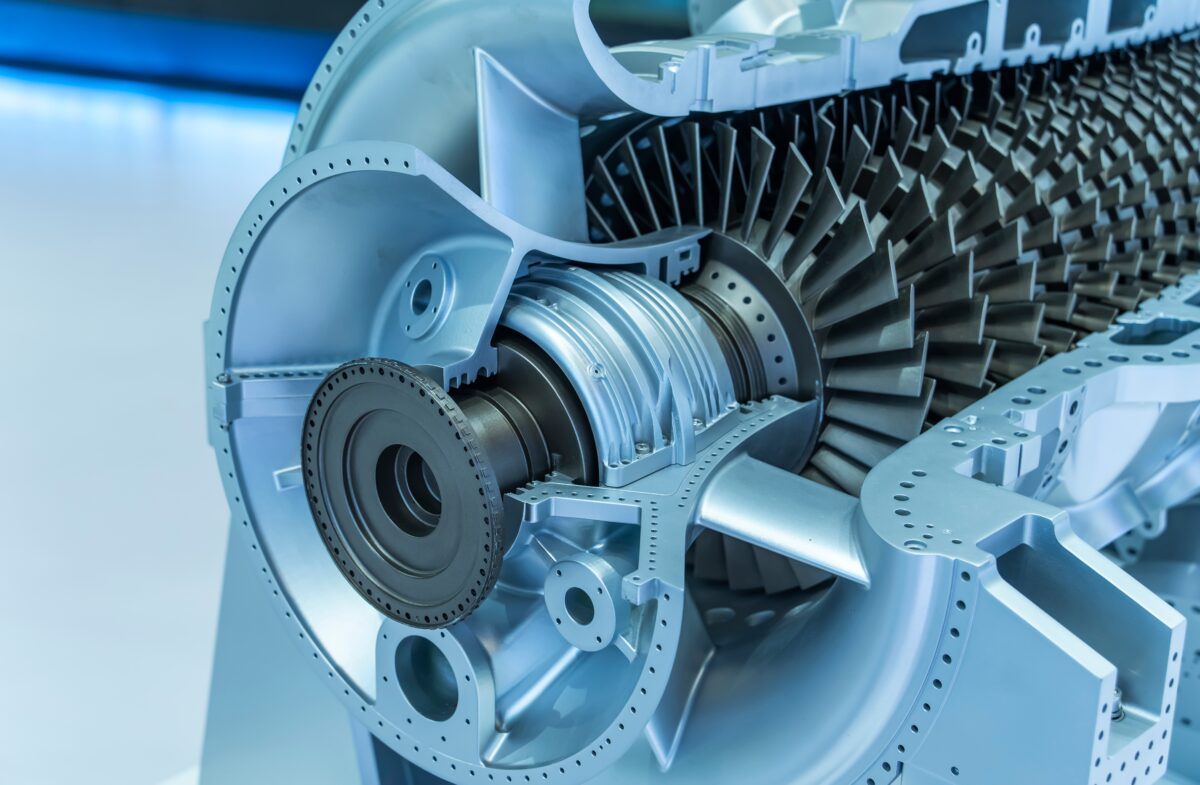
During high-cycle testing, the stress levels are typically set below the material’s yield strength. This is testing in the elastic regime of the material, which allows for a high cycle life of the test. Often high cycle fatigue is run at higher frequencies. It then puts the samples through various frequencies and many cycles. This type of fatigue testing is particularly well-suited to replicating high-vibrational conditions and service-life expectancy for components like gas turbines. This allows one to find the endurance limit of a material.
Low-Cycle Fatigue Testing
Conversely, stress levels above the sample material’s yield strength are characteristic of low-cycle fatigue testing. High load and low-cyclical level measures strain to evaluate performance in various conditions. In accordance with ASTM fatigue testing standards, this type of fatigue testing should run for fewer than 100,000 cycles.
Specialized Mechanical Testing
These specialized tests provide critical data and are among the most important steps in research and development. Researchers and manufacturers can use the resulting data to drive innovation, support the safety of additively manufactured parts, and develop new materials. It also provides essential information about product safety, validates components, and potentially enhances manufacturers’ understanding of future servicing and repair needs.
Imagine the value of knowing how long materials can operate under normal operating conditions and the lives that could be saved as a result.
Failure Prevention
In the aviation and automotive industries, fatigue, material, and structural failures are familiar foes. Automobiles, aircraft, individual components, and various materials must undergo stringent endurance testing prior to use. By providing the data necessary to identify how parts and materials will perform under sometimes extreme circumstances, it’s possible to prevent failure. When fatigue is left unchecked or unnoticed, it’s possible for parts to fracture, break, and cause catastrophic consequences.
Impact of Cyclic Forces
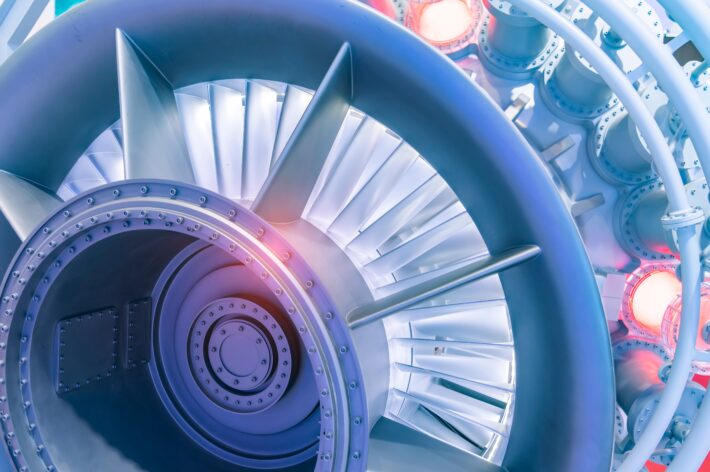
Evaluating the number of cycles that materials can withstand provides valuable insight into the behavior of those materials. Measured in the number of cycles it takes to cause a fracture, fatigue testing also provides data about the material’s endurance limit for the number of cycles tested. Before implementing components in an airplane engine or gas turbine, it’s important to have a solid understanding of the impact cyclic forces can have. That knowledge offers manufacturers a chance to redesign and refine materials and components for optimal performance.
Contact ITS for Expert Fatigue Testing Services
Testing for fatigue is essential to truly understand the performance and durability of the component or material. Fatigue testing can enhance safety, the ability to catch flaws early in the development process, and the potential for improved performance.
ITS’ fatigue testing machines offer state-of-the-art testing abilities and the team testing laboratory operates in accordance with ASTM fatigue testing standards. The team can design custom testing scenarios to optimize the efficacy for each sample.
Contact ITS to learn more or get a quote for your next project.
For More Information About Our Testing Services, Contact Us Today.
Through constant improvement, innovation, and thorough testing, ITS is able to create an environment that ensures personal and professional success. To secure your future, contact us for more information.