

News & Resources
Vibration Testing for Electronic Components
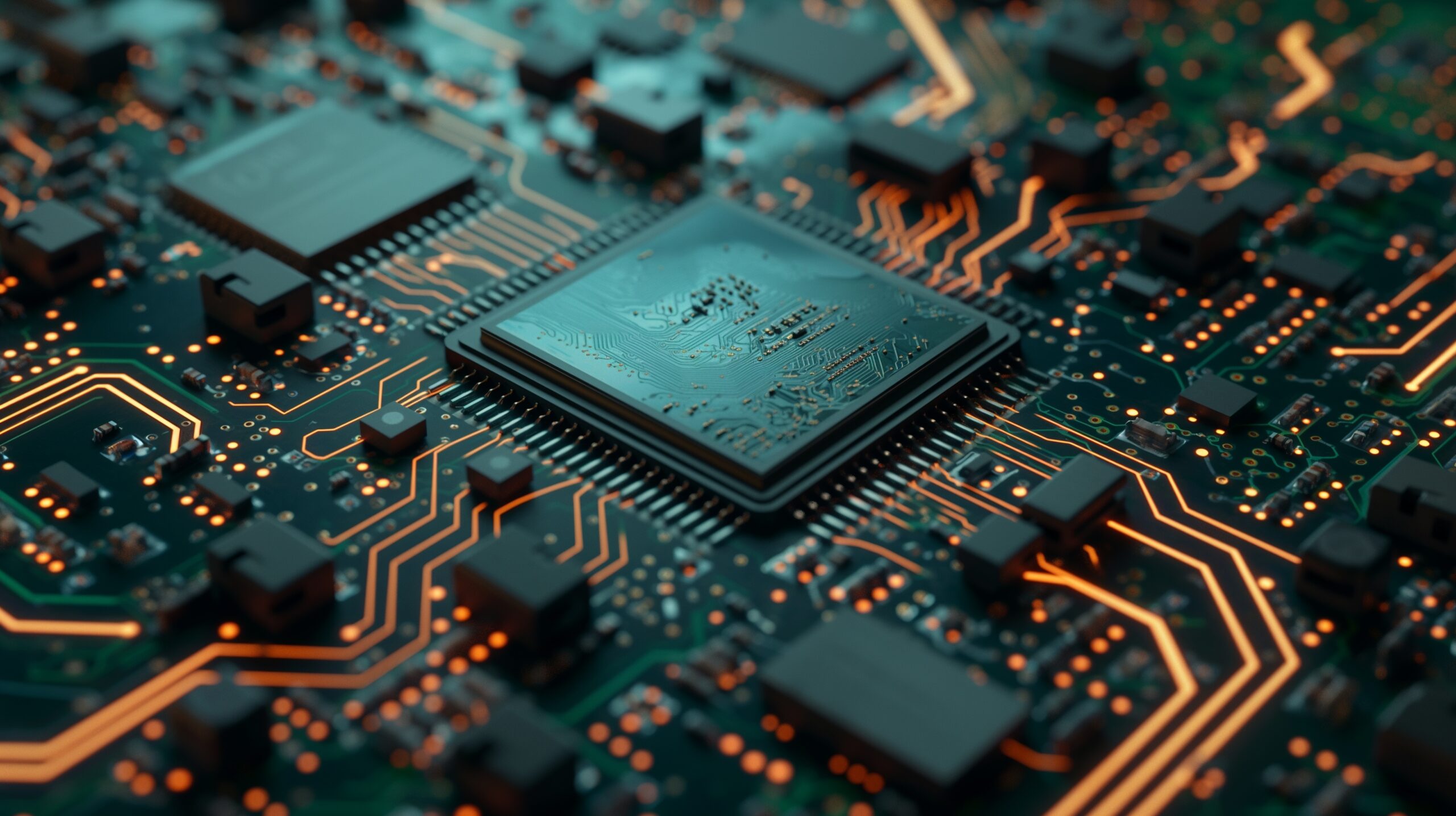
The electronic components market has flourished in recent years, and it continues to grow at a solid rate. According to data from Straits Research, the market will reach an estimated $372.1 billion by 2033, up from $211.11 billion in 2024. The need for product development in this area is largely fueled by the growing adoption of technologies, including the Internet of Things and cloud-based services.
Given the widespread use of electronics, quality assurance is vital to ensure the integrity of the materials and the safety of anyone using them. Vibration testing is a critical part of that process.
Introduction to Vibration Testing
The growing demand for electronic components across a broader range of industries comes with increasing use of those components in harsh environments or extreme conditions. Even in relatively stable scenarios, vibration can be a hidden danger — one that is responsible for an estimated 22% of electronic equipment failures.
The destructive force of vibration underscores the critical role vibration testing plays in product development.
Overview of Vibration Testing
Vibration testing uses specialized machinery to simulate real-world operating conditions. It requires specialized equipment, including various sized shaker systems with digital control systems. Testing can be conducted at room temperature and at elevated temperatures to recreate the environments where the samples will be used.
Fundamentals of Vibration Testing
Using different amplitudes and frequencies in testing equipment exposes samples to a spectrum of vibrations. The test can incorporate random vibrations, vibrations at a set frequency, or a combination of the two. Ultimately, the goal is to test the sample and understand its behavior under the various conditions, which can help engineers produce a more robust product.
Types of Vibration Tests
Testing types include multi-axis and single-axis testing, as well as specialized vibration tests such as the following:
Modal Analysis Vibration Testing
This type of vibration testing takes vibration signals and converts them into modal parameters. Not only does it make complex structures easier to understand, but it also helps with visualizing how different structural parts move during use. It can also be helpful in determining modal assurance criteria and measuring thermal expansion.
Finite Element Analysis
This type of testing includes several variations, all of which are designed to assess the design and materials. Finite element analysis (FEA) helps pinpoint critical areas that withstand the most stress from vibration. It can help refine designs and improve the quality of the final product.
Key Parameters in Vibration Testing
Measured in Hertz (Hz), frequency refers to the number cyclical movements for a vibrating object each second. The higher the frequency, the faster it moves. For example, a frequency of 200 Hz exposes the object to oscillation of 200 times per second. The three additional primary parameters include:
- Velocity: Measurement of the sample’s speed as it oscillates, velocity is an indicator of constant fatigue that is particularly critical to measure in the mid-frequency range where many defects occur.
- Acceleration: Measurement of the rate of change in velocity over a period, acceleration is usually expressed in meters per second squared (m/s2), which is useful in measuring high-frequency vibrations and early bearing faults.
- Displacement: Measured in mils (thousandths) or millimeters (mm), displacement tells you how much the sample moves from its position after exposure to vibrations and is useful for identifying structural issues, loose bolts, and misalignment.
Why Vibration Testing Is Essential for Electronic Components
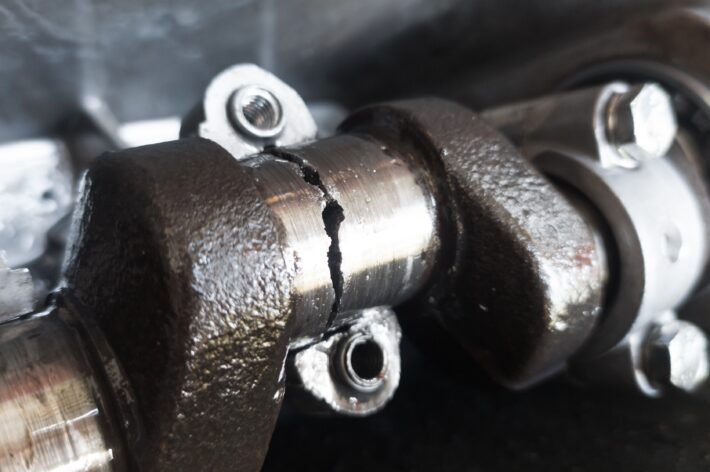
Vibration is a huge driver in the wear of electronic components. Extreme loads can be generated by even seemingly innocuous motions and potentially cause wear in unexpected areas. In turn, wear across the entire system could accelerate, resulting in damage, deformation, and failure. Electronic components are increasingly used in some of the most demanding environments. They are also integrated into thriving markets, such as aerospace, automotive, military, and medical — all with strict regulations.
Stress Screening for Durability
Understanding how components will behave under stress is critical. The resulting data allows designers and engineers to make sure the products are appropriate for their intended use. It also establishes the components’ limitations, which can aid end users in implementing a preventive maintenance schedule.
Identifying Potential Failures Early in the Product Lifecycle
Being able to pinpoint failures during quality assurance testing gives engineers the information necessary to refine designs. It provides a window into areas that might otherwise be hidden and identifies possible design or structural defects. Additionally, it allows engineers to address any material or manufacturing issues early in the process, ultimately saving money and streamlining the product development process.
Implementing Vibration Testing in Product Development
To implement vibration testing effectively, it’s essential that the test environment and load bearing criteria replicate the sample’s environment during use as closely as possible. Partnering with a reputable testing company ensures the highest quality data, which engineers can use to correct product designs as needed. Doing so early in the product lifecycle streamlines the entire process and allows seamless optimization.
Integration into the Design and Development Process
Making vibration testing part of the development process offers several benefits. Early in the process, it helps validate material selection and design choices. It can also be used on prototypes to work out issues early in the production process. Used throughout the product design cycle, vibration testing offers continuous quality control to ensure every product offers consistent, reliable performance.
Challenges in Vibration Testing for Electronics
Although useful, vibration testing isn’t without its potential challenges. The “noise floor,” or background noise found in electronic components, for example, can conceal resonances with similar acceleration levels. Using the wrong accelerometer can cause sensitivity issues, while loose cables can disrupt the data flow. Working with engineers with solid expertise helps mitigate these challenges to ensure optimal results.
Dealing with Miniaturization and Complexity of Modern Devices
Two additional significant challenges have to do with the design of the devices themselves. Electronic components have steadily been shrinking since the 1940s. As technology continues evolving, the ability to create smaller, more efficient electronics will continue to expand. Complex devices require complex solutions and experts who can perform testing, even if that means designing custom rigs.
Balancing Rigorous Testing with Cost and Efficiency
Although it is an added expense, implementing vibration testing into the product design process provides cost savings down the road and helps manufactures get products to market faster. The sooner that flaws are addressed, the better. It can also reduce the odds of ending up with costly recalls, repairs, and failures in the future.
Quality Assurance Through Vibration Testing
Vibration can cause serious repercussions, many of which may not be immediately evident without vibration testing. The data provided can aid engineers in making design changes to extend the life and reliability of the products and ensure they meet industry standards.
Role in Meeting Industry Standards and Regulatory Requirements
Vibration testing reduces the odds of ending up with a faulty product and increases the reliability of the end product. It provides insight into the components’ service life and ability to withstand typical operating conditions. Some common standards for vibration testing include MIL-STD-810, which is used in the defense industry. Developed by the International Electrotechnical Commission, IEC 60068 is another option that offers guidelines for vibration testing under different conditions.
Contact ITS for More Information About Vibration Testing
The expert team at ITS provides rigorous testing and uses various systems that are all outfitted with state-of-the-art digital controls. We will work with your product development team to ensure you get the results you need based on reliable data. Contact us today to learn more about our vibration testing services or to get a quote for your next project.

For More Information About Our Testing Services, Contact Us Today.
Through constant improvement, innovation, and thorough testing, ITS is able to create an environment that ensures personal and professional success. To secure your future, contact us for more information.