

News & Resources
Creep and Rupture Testing: Essential for High-Temperature Applications
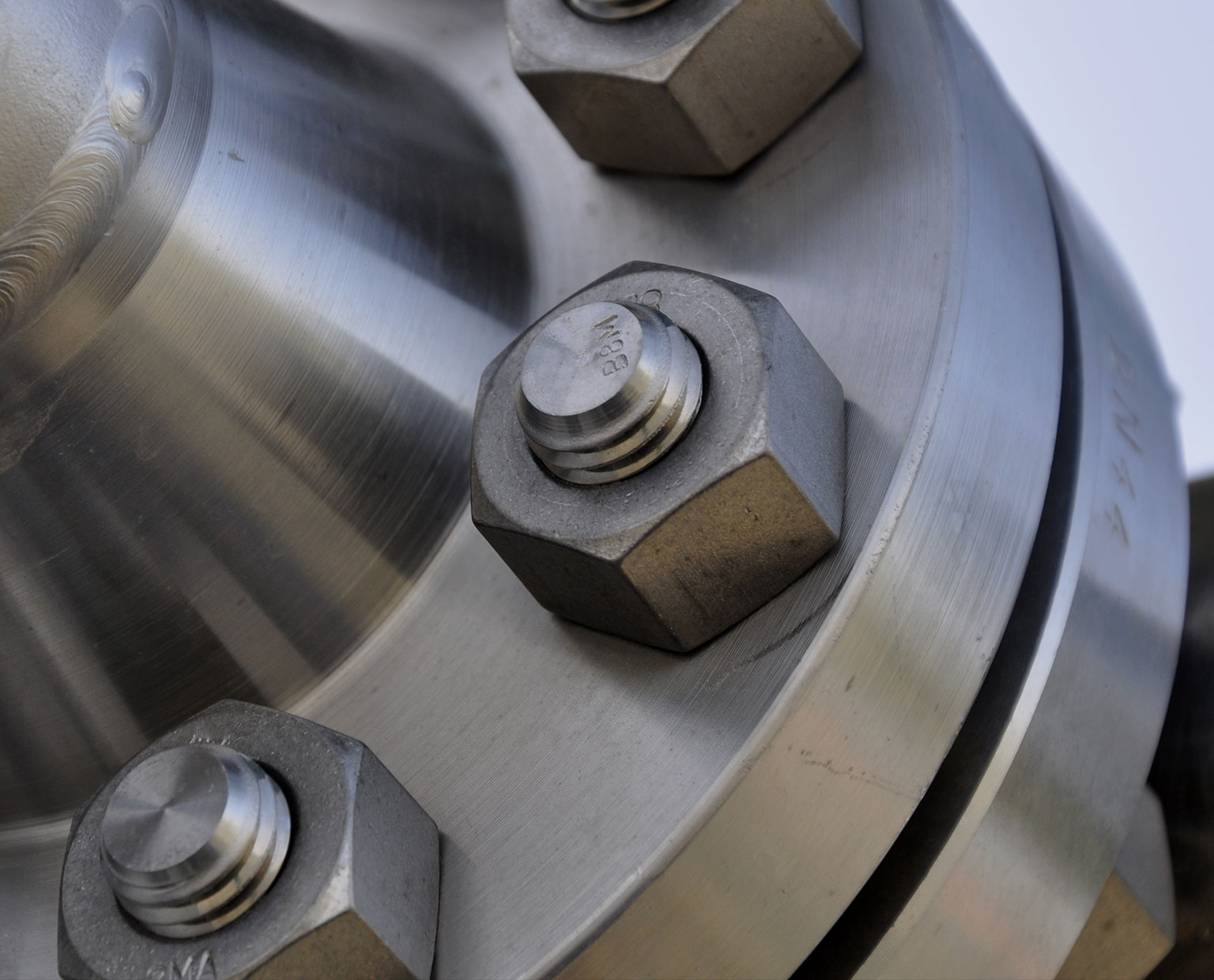
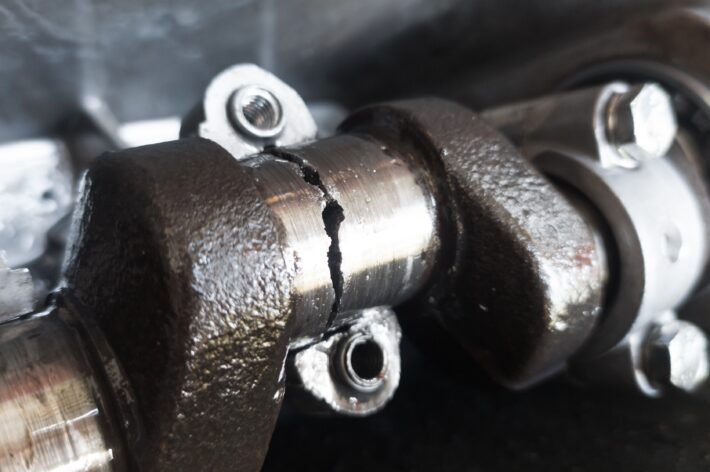
Imagine putting a gas turbine or jet engine into use without knowing if the materials and components could withstand the rigors of those applications. Any products, components, or materials that will operate in strenuous types of environments must undergo rigorous testing to verify the performance and suitability of the various materials in play. Testing also enables teams to predict maintenance needs and literally save lives by minimizing the chances of mechanical failure.
Creep testing and rupture testing are two critical mechanical testing methods that aid manufacturers in doing just that. These methods validate material performance under high temperatures and heavy amounts of pressure or stress, simulating a real-life operating environment. The data gleaned from these tests can prove invaluable information related to both short- and long-term safety.
Today, manufacturers and designers have more options than ever for testing — even of sub-miniature samples. Innovative Test Solutions (ITS) developed techniques to test these non-standard size samples to ensure increased availability of these vital tests. Explore the benefits of creep rupture testing in more detail to understand the value of these important methods, particularly for high-temperature materials.
Creep Testing Benefits
Creep testing evaluates products, components, and materials in extreme conditions. It serves as an effective approach to determine the ability of high-temperature materials to hold up during actual operations. During creep testing, the sample is exposed to elevated temperatures and mechanical stresses. The test continues for a set period using continuous load while watching for failure.
By determining how much materials deform over time, creep tests offer numerous benefits. The primary benefit is empowering engineers and designers by providing critical data they can use to avoid product, component, and material failure. The results can verify that the materials and design are capable of withstanding the operating stressors, including high temperatures. They also give the engineering and design team a chance to change the plan and refine the design to ensure a safe, high-performing product in the end. Additionally, creep testing can help predict the service life of high-temperature materials and components.
Stress Rupture Testing Benefits
Stress rupture testing often goes hand-in-hand with creep tests. Using this method, samples are placed under a specified temperature and load level for a set time. The purpose is to assess materials’ behavior under pressure, watching for the amount of time it takes for the sample to fail. The results provide valuable insight to help manufacturers select materials that will not rupture.
ASTM Standards
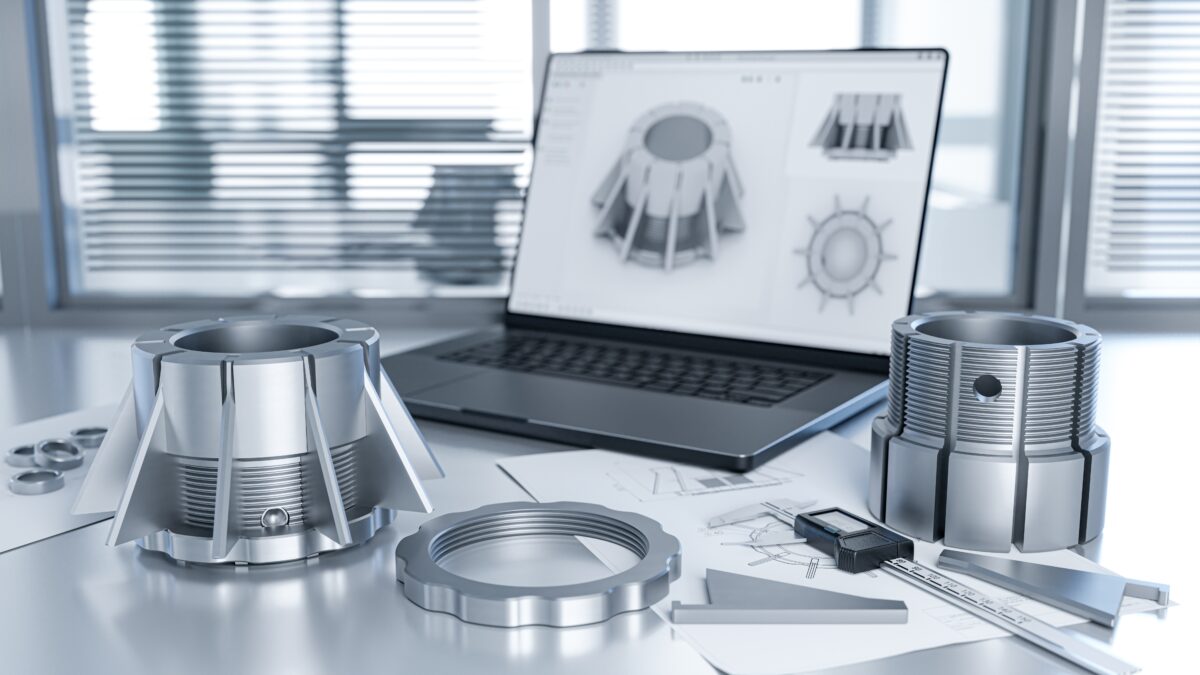
The American Society for Testing and Materials, now known simply as ASTM, is a global organization that has set more than 12,000 standards designed to improve lives, instill confidence in products, and enhance manufacturing and materials’ performance. ASTM E-139 is specific to creep and stress-rupture tests.
ASTM standards define the scope of testing methods and the information that should be in reports. Standardizing the procedures and reporting methods ensures the information gathered offers maximum value. It also recognizes that the results from different procedures can vary and dictates that methods must be disclosed for optimal interpretation of the results.
Testing approaches typically test specimens for product or material failure. Each seeks to evaluate the materials’ reliability in the intended operating environment.
Product Failure Testing
With this approach, testers use the product itself as the testing sample. This allows for measuring the product’s characteristics throughout the test. Results typically are expressed as pass or fail. Passing indicates the product is suitable for the intended application. If it fails, designers and engineers must determine what caused the failure and redesign the product before testing it again. While this testing approach evaluates all components at once, it can potentially delay product launch.
Material Failure Testing
Materials testing of samples of individual components or materials that may be used as components, for example, could test coating materials or sub-assemblies. The samples are evaluated before, during, and after testing to evaluate the test’s effects on the performance and characteristics of the materials. This provides the design team with data they can use throughout product development. Material failure testing also provides quantitative data that is useful for comparing various materials in terms of their characteristics and reliability.
Contact ITS to Learn More
ITS is an industry leader in mechanical engineering and testing with a full-service, ISO/IEC 17025 accredited lab that performs various standard and custom testing. Our team of engineering experts fully comprehend the importance of creep testing and are committed to providing exceptional services.
Whether you need creep testing, stress testing, or another form of product or materials testing, the ITS team is here to ensure your requirements are met. Contact us today at 518-203-3263 to learn more or request a quote.



For More Information About Our Testing Services, Contact Us Today.
Through constant improvement, innovation, and thorough testing, ITS is able to create an environment that ensures personal and professional success. To secure your future, contact us for more information.