

News & Resources
UNDT Additive Manufacturing Testing Methods
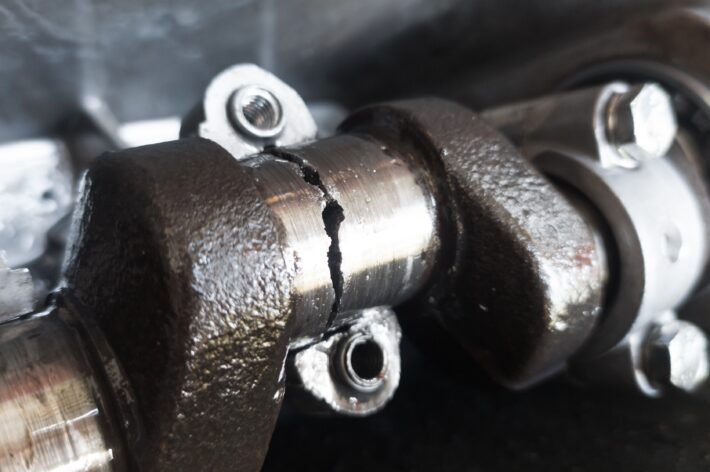
Additive manufacturing represents a quickly growing field; however, the lack of reliable non-destructive additive manufacturing testing methods presents a barrier to the technology becoming adopted on a more widespread scale. The ability to predict an additively manufactured part’s performance and evaluate it for defects is essential to continued growth. Moreover, tools must work quickly and accurately, and although additive manufacturing testing methods like tensile and fatigue testing exist, a non-destructive additive manufacturing tool hasn’t been created yet.
Ultrasonic non-destructive testing (UNDT) for additive manufacturing shows real promise for evaluating defects. Current methods, including Dye Penetrant (PT), Radiography (RT), and Eddy Current (ET), all possess significant shortcomings in their ability to determine parts’ internal structure accurately. This is an issue that becomes a larger stumbling block as parts become larger and more complex. Other NDT additive manufacturing tools, such as Computed Tomography (CT), offer deeper insight but at a steep cost and with the added need for specialized, trained staff for operations.
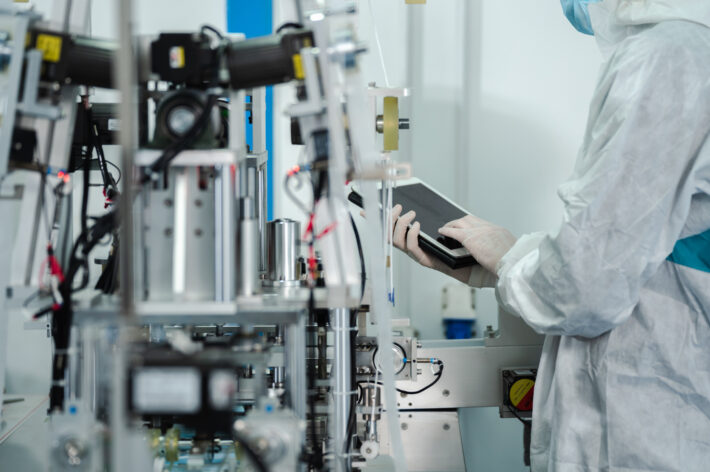
Using a combination of high energy vibration and holography makes it possible to determine an additively manufactured part’s unique modal signature in addition to evaluating the structure at those modes. It facilitates the use of Modal Assurance Criterion (MAC), which can then be used to create “golden” modal models of “perfect” or nearly defect-free parts. Those models can then be used in comparison analysis with additively manufactured parts to generate those parts’ MAC, while making it faster and easier to screen for defects, resulting in potentially lower scrap rates. This UNDT additive manufacturing tool can create a database of defect types and their corresponding effects on modal data. As a result, it will help manufacturing engineers better understand the defects and their effects, increasing the potential for opening tolerance allowances and restrictions, which can further generate cost savings.
File Download
Please complete the form below to download this file.

For More Information About Our Testing Services, Contact Us Today.
Through constant improvement, innovation, and thorough testing, ITS is able to create an environment that ensures personal and professional success. To secure your future, contact us for more information.